Most CMS stacks are assembly lines with great conveyor belts but not much guidance. Editors add titles, authors drop drafts, reviewers apply checklists, and content ships - hopefully. AI can move this from a manual relay race into assisted co‑piloting: suggest briefs, maintain taxonomy, catch regressions, generate variants, and keep an auditable trail. The goal is not to replace humans but to reduce the cognitive tax on repetitive steps and make decisions faster with better evidence.
This article walks through how to add AI into a CMS in a way that a mid‑level engineer can ship this quarter. We will cover architecture, data modeling, retrieval for editorial context, prompts with schema validation, moderation, SEO metadata, and rollout. We will link to related deep dives like RAG for SaaS, Vector Databases & Semantic Search, Integrate OpenAI API in Next.js, and LangChain Next.js Chatbots to keep you moving.
Where AI Fits in a CMS
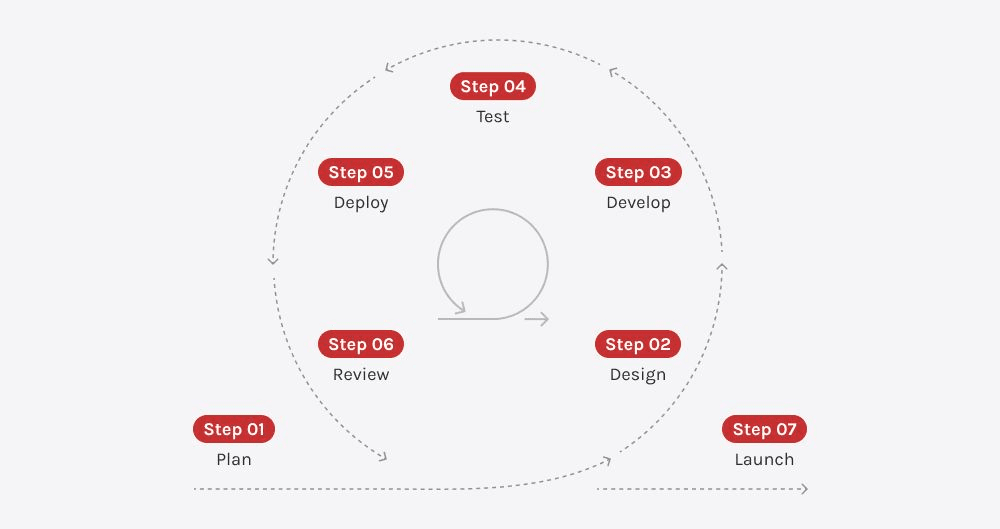
Think of a content lifecycle as six stages:
- Planning - turn themes and search gaps into briefs and outlines
- Authoring - assist drafts, enforce style, inline fact checks
- Enrichment - tags, entities, related links, canonical references
- Review - policy checks, tone, reading level, bias pass, hallucination traps
- SEO and distribution - titles, descriptions, schema, social cards, variants
- Maintenance - change summaries, broken link detection, stale content alerts
You do not need to automate all six on day one. Pick one bottleneck - usually enrichment or review - and build a thin vertical slice. Wire it to your CMS events, keep numbers deterministic where applicable, and make all suggestions explainable.
System Architecture - the simple, durable way
- CMS as source of truth: keep content, versions, and permissions in your CMS or DB. Do not let the model be authoritative for facts.
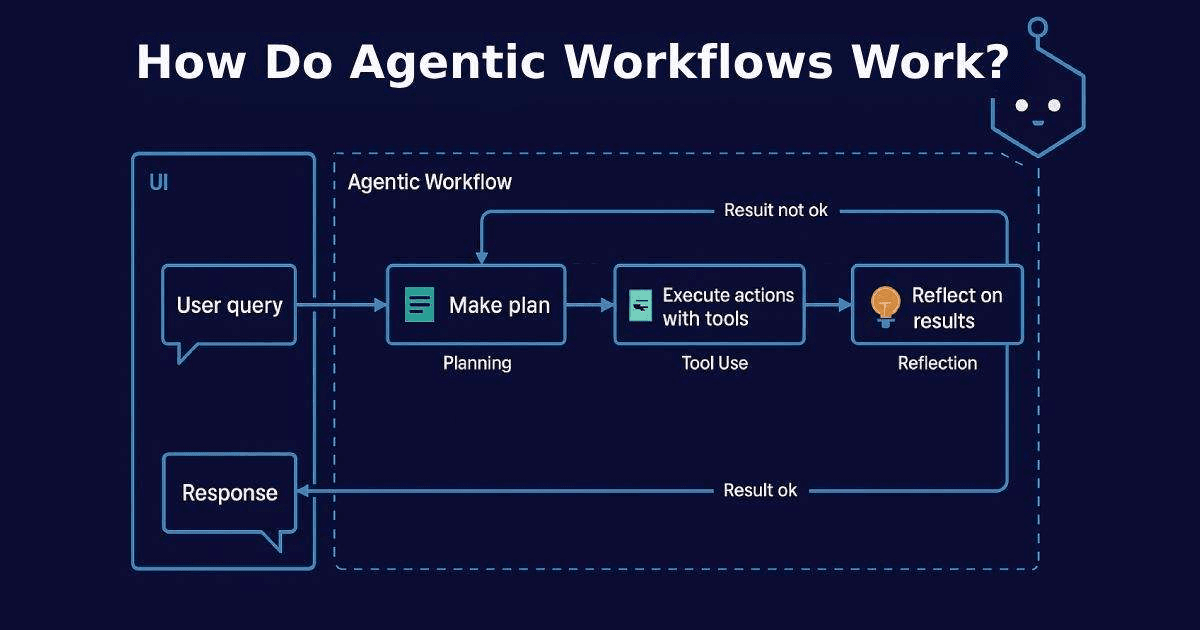
- Enrichment service: a stateless Next.js API route that receives webhook events from the CMS when content is created or updated. It pulls the document, performs retrieval over your editorial corpus, and generates structured annotations.
- Vector index: embed paragraphs, entities, and prior posts to power related links, consistency checks, and deduping. See Vector Databases.
- Guardrails: validate outputs with
zod, enforce refusal rules for insufficient evidence, and log inputs plus results for audits. For patterns in retrieval and structured outputs, review RAG for SaaS and Retrieval guide. - SEO pipeline: compute titles, descriptions, and JSON‑LD using deterministic rules plus model suggestions. For site metadata strategy, see Next.js SEO Best Practices.
Data Model for Enrichment
We will enrich content with tags, entities, summary, related links, and quality flags. Keep your schema explicit so you can render, search, and evaluate over time.
// lib/cms/types.ts
export type ContentItem = {
  id: string;
  title: string;
  slug: string;
  body: string; // markdown or html
  authorId: string;
  updatedAt: string;
};

export type Enrichment = {
  summary: string;
  tags: string[];
  entities: Array<{ name: string; type: string }>;
  related: Array<{ title: string; url: string }>;
  quality: {
    readingLevel: string;
    policyViolations: string[];
    needsCitations: boolean;
  };
};
Retrieval for Editorial Context
Good suggestions depend on context - past posts, style guides, and glossary entries. Use hybrid retrieval to get both semantic neighbors and exact IDs.
// lib/cms/retrieve.ts
export type RetrievedDoc = { id: string; title: string; url: string; text: string; score: number };
export type Retriever = {
  vectorSearch: (queryVector: number[], k: number) => Promise<RetrievedDoc[]>;
  keywordSearch: (queryText: string, k: number) => Promise<RetrievedDoc[]>;
};

export const mergeAndRerank = (a: RetrievedDoc[], b: RetrievedDoc[], k = 10) => {
  const map = new Map<string, RetrievedDoc>();
  for (const d of [...a, ...b]) {
    const prev = map.get(d.id);
    if (!prev || d.score > prev.score) map.set(d.id, d);
  }
  return Array.from(map.values()).sort((x, y) => y.score - x.score).slice(0, k);
};
For why hybrid retrieval matters, skim Vector Databases & Semantic Search. For a production RAG walkthrough, read RAG for SaaS.
Structured Suggestions with Guardrails
Ask models for structured outputs and reject responses that do not match the schema. This turns prompts into reliable APIs.
// lib/cms/enrich.ts
import OpenAI from "openai";
import { z } from "zod";

const EnrichmentSchema = z.object({
  summary: z.string().min(30).max(400),
  tags: z.array(z.string()).max(8),
  entities: z.array(z.object({ name: z.string(), type: z.string() })).max(10),
  related: z.array(z.object({ title: z.string(), url: z.string().url() })).max(5),
  quality: z.object({
    readingLevel: z.string(),
    policyViolations: z.array(z.string()),
    needsCitations: z.boolean(),
  }),
});

export type Enrichment = z.infer<typeof EnrichmentSchema>;

export const buildPrompt = (body: string, context: string) => {
  return [
    "You are a CMS assistant that proposes grounded, concise enrichments.",
    "Use only the provided content and context. If insufficient, set empty arrays.",
    "Return JSON that matches the schema exactly.",
    "\nCONTENT:\n" + body,
    "\nCONTEXT:\n" + context,
  ].join("\n");
};

export const enrichContent = async ({ body, context, openai }: { body: string; context: string; openai: OpenAI }) => {
  const prompt = buildPrompt(body, context);
  const resp = await openai.chat.completions.create({
    model: "gpt-4o-mini",
    temperature: 0.2,
    response_format: { type: "json_object" },
    messages: [
      { role: "system", content: "Return only valid JSON. Never invent external facts." },
      { role: "user", content: prompt },
    ],
  });
  const raw = resp.choices[0]?.message?.content ?? "{}";
  return EnrichmentSchema.parse(JSON.parse(raw));
};
This pattern mirrors the evaluation and structured-output approach we use in Integrate OpenAI API in Next.js and the validation seen in the RAG guide.
Wire It to the CMS - Webhook First
Most CMS systems can call a webhook on create or update. Use an API route to pull the document, fetch context, enrich, validate, and store the results.
// app/api/cms/webhook/route.ts
import { NextRequest, NextResponse } from "next/server";
import OpenAI from "openai";
import { enrichContent } from "@/lib/cms/enrich";
import { mergeAndRerank, type RetrievedDoc } from "@/lib/cms/retrieve";

export const POST = async (req: NextRequest) => {
  const { id, title, body } = (await req.json()) as { id?: string; title?: string; body?: string };
  if (!id || !title || !body) return NextResponse.json({ error: "Missing fields" }, { status: 400 });

  // 1) Retrieve editorial context for related links and consistency
  const vectorResults: RetrievedDoc[] = []; // plug your vector search
  const keywordResults: RetrievedDoc[] = []; // plug your keyword search
  const contextDocs = mergeAndRerank(vectorResults, keywordResults, 8);
  const context = contextDocs.map((d) => `- ${d.title} (${d.url})`).join("\n");

  // 2) Ask for structured enrichment
  const openai = new OpenAI({ apiKey: process.env.OPENAI_API_KEY! });
  const enrichment = await enrichContent({ body, context, openai });

  // 3) Persist enrichment alongside content (pseudo code)
  // await db.enrichments.upsert({ contentId: id, ...enrichment });

  return NextResponse.json({ id, enrichment });
};
Keep all model calls on the server, validate inputs with zod, and log request IDs for audits. For more patterns on API routes, streaming, and error handling, see Integrate OpenAI API in Next.js.
Editorial QA and Safety
AI can also act as a tireless reviewer. Build a compact checklist and let a small model score each item with evidence links. Only flag, never auto‑publish.
// lib/cms/review.ts
import { z } from "zod";

export const ReviewSchema = z.object({
  checks: z.array(
    z.object({
      name: z.string(),
      ok: z.boolean(),
      details: z.string().optional(),
      evidence: z.array(z.string()).optional(),
    })
  ),
});

export type Review = z.infer<typeof ReviewSchema>;

export const editorialChecklist = [
  "Claims are supported with sources where applicable",
  "No sensitive data or secrets in code samples",
  "Reading level matches target audience",
  "Internal links to at least 3 related posts",
  "Title and description match content intent",
] as const;
For content with facts, require citations just like we do in RAG for SaaS. For policies and ethics, see Ethics of AI generated code in production.
SEO - deterministic first, suggestive second
SEO is the place where determinism pays dividends. Compute titles and descriptions from rules, then let the model propose alternatives that stay within length and keyword constraints.
// lib/cms/seo.ts
export const computeTitle = (title: string) => title.trim().slice(0, 68);
export const computeDescription = (summary: string) => summary.trim().slice(0, 155);

export const buildJsonLd = ({ title, url, author, date }: { title: string; url: string; author: string; date: string }) => ({
  "@context": "https://schema.org",
  "@type": "Article",
  headline: title,
  author: { "@type": "Person", name: author },
  datePublished: date,
  url,
});
Ship the deterministic baseline every time, store model suggestions for editors to pick from, and test click through rates by variant. For a complete SEO checklist and metadata gotchas, see Next.js SEO Best Practices.
Cost, Latency, and Caching
- Cache enrichments per content version. If the body does not change, reuse tags, entities, and related links.
- Prefer small models for routine tasks and reserve larger models for summaries or complex rewrites.
- Stream UI hints only when users wait on AI. For offline enrichment via webhooks, batch and retry on failure.
For deployment and runtime hardening, review Deploy Next.js on a VPS. For org considerations around automation, see AI Automation - Pros and Cons.
Rollout That Works
- Start with enrichment on a single section. Add tags and related links only.
- Show explanations and allow one click apply or dismiss. Record overrides to improve prompts.
- Run weekly evals: precision and recall on tags, editor satisfaction, and time saved per article.
For end to end retrieval and chat patterns that adapt well to editorial assistance, check LangChain Next.js Chatbots and the RAG production guide.
Conclusion
AI inside a CMS is less about magic and more about disciplined plumbing. Keep content authoritative in your CMS, retrieve the right context, ask for structured suggestions with validations, and make every change explainable. Do that and editors will accept more suggestions over time, content quality will trend upward, and the team will spend energy on ideas rather than formatting and link hunts.
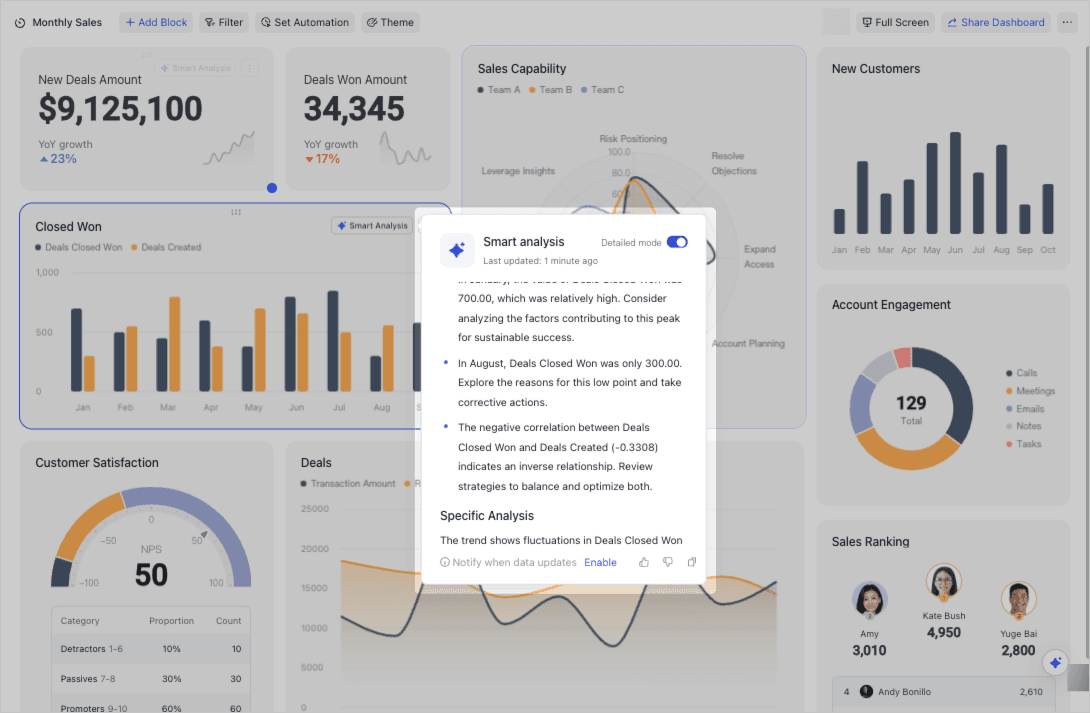
If you want to go further, wire monetization or feature gates around high cost operations with Paddle Integration for SaaS, add document QA for long form guides with Document Q&A in Next.js, and keep a sharp eye on site health with AI summarized dashboards.
Actionable Takeaways
- Enrich with structure: Define a typed schema for summary, tags, entities, related links, and quality fields. Reject any model output that does not validate and store enrichments per content version.
- Ground suggestions: Use hybrid retrieval over your editorial corpus to generate related links and consistency checks. Require evidence lists for claims and keep links visible to editors.
- Automate review safely: Turn policy and style guides into checklists. Score each item with a small model, never auto publish, and log inputs and outputs for audits.